
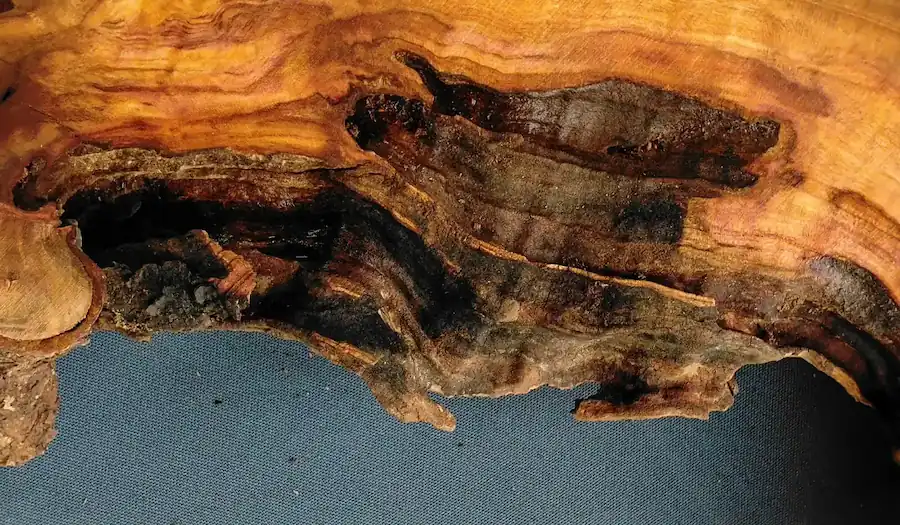
Resin Art Timber Specimens
Wood for epoxy resin casting, river tables, and sculptural work. Each specimen is selected for natural voids, grain structure, and resin interaction, and is fully documented within the BurlBlade archive system.
This page forms part of the BurlBlade system, connecting resin-suitable material to documented harvests and individual specimens within the archive.
Wood for Epoxy Resin Casting
Resin art timber is defined by how it interacts with epoxy rather than uniformity. Wood selected for resin casting typically includes natural voids, irregular geometry, and dynamic grain structures that allow resin to flow, settle, and bond as part of the final design.
Unlike processed lumber, these specimens are chosen specifically for resin work — including river tables, wall pieces, and sculptural casting — where natural structure becomes a core design element.
Structural Characteristics of Resin Timber
The following features influence resin behaviour and final outcomes:
- Natural voids and hollow sections
- Root flare formations and basal growth
- Cross-sectional grain exposure (wood cookies)
- Irregular live edges
- Internal stress and movement patterns
These characteristics are inherent to resin wood and define how epoxy interacts with each specimen.
Material Behaviour and Preparation
Wood remains a responsive material. Moisture content, density variation, and internal tension all affect performance during resin application.
Most BurlBlade specimens are air-seasoned and stored under controlled conditions, but certain pieces — particularly those with fine checking or complex internal geometry — may require stabilisation depending on the intended use.
For technical reference on wood properties, see The Wood Database
Root Wood and Stump Timber (GS2602 Harvest)
Root-derived timber forms at the base of the tree where trunk and root systems converge. This produces irregular grain, dense compression zones, and natural void structures that are highly suited to resin casting.
This harvest includes 14 individually documented slabs and wood cookies formed from a single ground stump root system. Each specimen is listed individually within the GS2602 archive.
Explore GS2602 root timber specimens (ground stump harvest) →
Wood Cookies and Cross Sections
Wood cookies expose the internal growth rings of the tree in cross-section, often revealing natural voids, inclusions, and radial grain patterns. These are commonly used in resin clocks, wall art, and decorative casting.
Explore wood cookies for resin →
Live Edge Slabs and Boards
Live edge slabs retain the natural outer form of the tree, making them ideal for river tables and larger resin projects where edge detail defines the composition.
Burl and Figured Timber
Burl wood features dense, swirling grain formed through irregular growth. These specimens are suited to detailed resin work where fine figure and contrast are important.
Explore plum burl specimens (PB2601 harvest) →
Archive-Linked Material Selection
Each specimen is part of a structured archive system linking material back to its harvest origin and registry record. This allows selection based on both visual character and structural formation.
Explore individual entries within the Specimen Registry
or browse related harvests in the Harvest Archive.
Available Resin Art Timber Specimens
Browse available wood for resin casting below, including slabs, cookies, and root-derived specimens. Each piece is individually photographed and sold as the exact item shown.
Browse Resin Timber by Type
Browse all available specimens in the Shop.