
Urban Salvaged Wood Slabs & Burl Specimens
Urban salvaged wood slabs selected for resin casting, decorative boards, and fine craft applications where natural grain structure defines the finished piece.
Each BurlBlade specimen is individually documented and traceable through the harvest archive, linking material to its origin, species classification, and natural history.
Every Specimen Ships with a Certificate of Provenance
Every specimen in the BurlBlade archive ships with a Certificate of Provenance — documenting origin, species, moisture content, and chain of custody. See an example certificate. Urban salvaged from Gauteng, South Africa. Field seasoned. One of a kind.
Urban Salvaged Wood Slabs – Material Characteristics and Structure
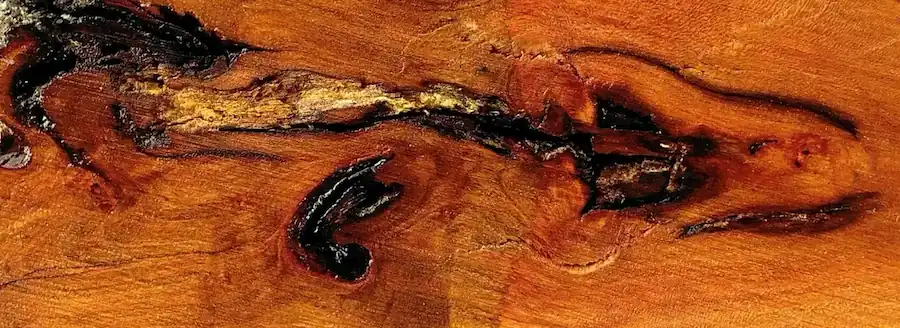
Each specimen exhibits unique structural characteristics formed through natural growth conditions. Variations in density, grain direction, and figure are influenced by environmental stress, injury, or irregular growth within the tree. These conditions often result in complex internal patterns, particularly in burl formations.
Unlike commercially processed timber, these materials are not standardized. Differences in form, stability, and grain structure are inherent to each piece, making them suitable for applications such as resin work, decorative boards, and detailed craft where natural variation is understood and incorporated into the final result.
Urban Salvaged Wood Slabs. Selected with Intent.
BurlBlade documents and preserves unique wood specimens recovered from urban tree removals. Each burl, slab, and cookie is individually cataloged and linked to its harvest record.
Rather than treating timber as anonymous stock, each piece is recorded as a traceable natural object with origin, structure, and context within a living archive.
Every specimen connects back to its species, harvest record, and source location, allowing the material to be understood as part of the full lifecycle of the tree. This includes documented species such as Plum Wood (Prunus) and other urban salvaged timber.
Some of the most distinctive pieces originate from irregular growth within the tree, producing dense, complex grain patterns often associated with burl wood. To understand how these formations develop and why they are so highly valued, see our guide on what burl wood is and how it forms.
Explore the BurlBlade timber archive:
- Browse Available Wood Specimens
- Explore Wood Species Guide
- View Harvest Archive
- Search Specimen Registry
- View Tree Origin Map
- View All Documented Wood Specimens
Recommended products


Current Documented Harvest
PB2601 — Plum Burl
The Plum Burl 2026 harvest (PB2601) represents a fully documented series within the BurlBlade timber provenance archive, where each specimen is traceable to a single recovered tree.
This harvest documents a salvaged plum burl recovered from Sunnyridge in Germiston, Gauteng. The burl produced a limited series of cookies and craft pieces, each individually catalogued within the archive.
Explore the full PB2601 harvest →
Plum Burl Live Edge Slice PB2601003
GS2602 — Ground Stump Root Timber
The Ground Stump Root Timber harvest (GS2602) represents a documented series within the BurlBlade timber provenance archive, where each specimen originates from a single recovered root system.
This harvest records material recovered from Edenvale, Gauteng, where subsurface root growth produced irregular slabs, voided sections, and structurally complex forms shaped by natural root development.
Explore the full GS2602 harvest →
Root Wood Slab for Resin GS2602001
New specimens arrive rarely.
Get notified by email when new harvest pieces are listed.
Use and Application of Specimens
Urban salvaged wood slabs are selected for resin casting, decorative furniture elements, and fine craft work where grain structure and natural formation become part of the finished design.
Selection is based on intended use, with considerations such as thickness, stability, void structure, and grain complexity influencing how each specimen may be worked or processed. Each listing provides the necessary context to support this selection within the archive.
Browse available pieces in the shop, learn more about the BurlBlade timber archive, or contact BurlBlade with questions about a specimen.
Understanding the BurlBlade Timber Archive
The BurlBlade archive is built around a structured system that connects each piece of wood to its origin. Every specimen is linked to a documented harvest, species classification, and individual registry entry, creating a traceable relationship from tree to finished material.
Explore the system through the Specimen Registry, browse documented harvests in the Harvest Archive, or learn more about material characteristics in the Wood Species Guide.
This structured approach ensures that each piece retains its provenance, allowing woodworkers, collectors, and designers to understand the origin, structure, and potential of the material.